




Jewelry in Judaism: A Symbol of Elegance and Faith for Religious Women
**Jewelry in Judaism: A Symbol of Elegance and Faith for Religious Women**
Jewelry holds a special place in Jewish culture, especially for religious women, where it serves as more than a decorative accessory. Rooted in biblical tradition and enriched by centuries of influence from the Diaspora, Jewish jewelry reflects a deep connection to faith, modesty, and personal identity. For religious women who adhere to the principles of modesty, jewelry offers a subtle yet meaningful way to express beauty and spirituality without compromising their values. This article examines the importance of jewelry in Judaism, its historical development, and its role in enhancing the lives of observant women today.
**The Biblical and Historical Roots of Jewish Jewelry**
The importance of jewelry in Jewish life can be traced back to the Torah. In Exodus 32:22, women donated their gold and silver jewelry to the building of the Tabernacle, demonstrating their dedication and generosity. This act set a precedent for jewelry as a holy offering, tying it to a spiritual purpose. The breastplate of the High Priest, adorned with twelve precious stones representing the tribes of Israel, further emphasizes the symbolic power of ornamentation in Jewish tradition.
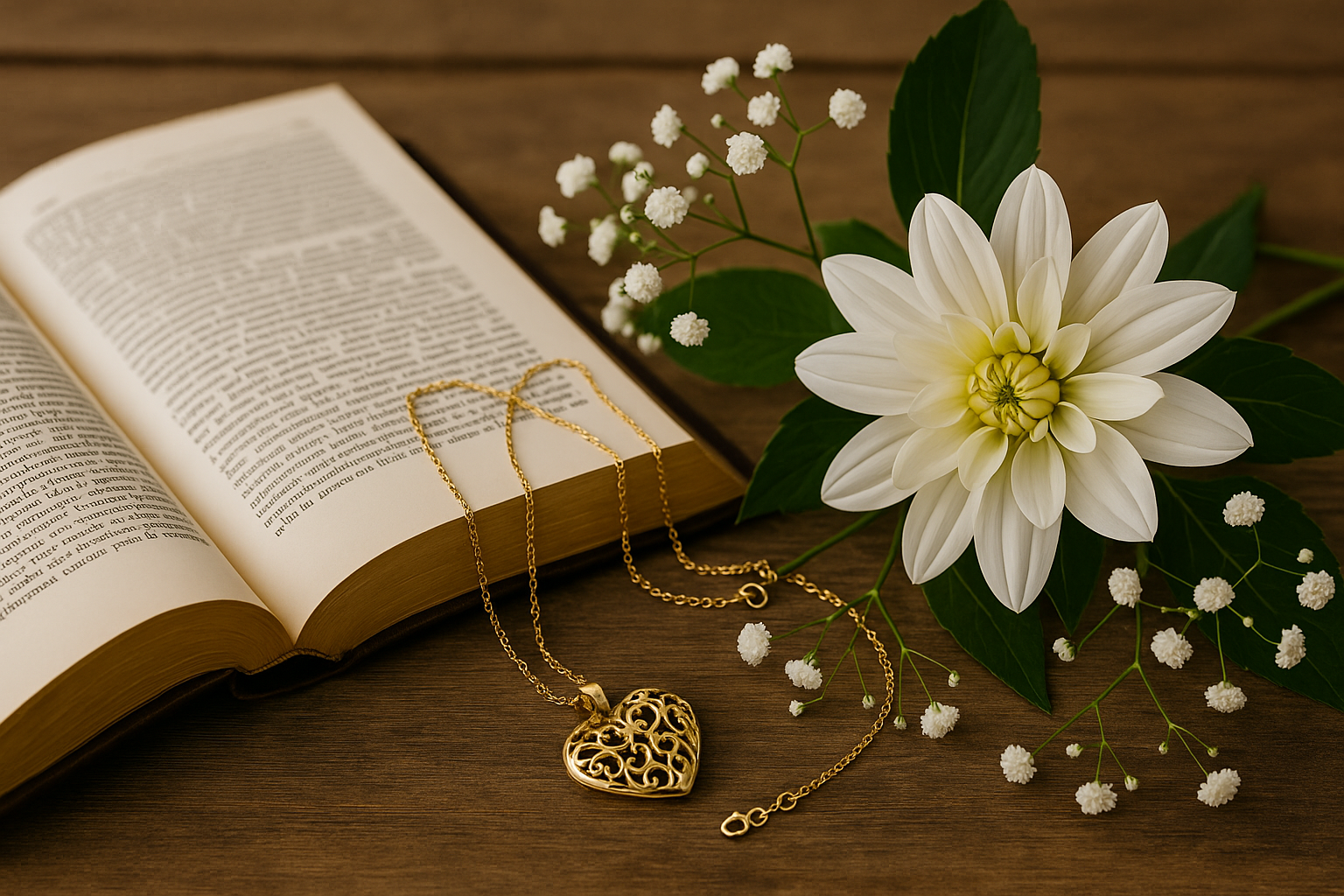
Throughout history, Jewish women have incorporated local styles into their jewelry, creating a wide variety of designs. In Sephardic communities, intricate gold necklaces and filigree earrings reflected the splendor of the Mediterranean, while Ashkenazi women in Eastern Europe favored simple yet elegant silver jewelry. These designs were often crafted to align with modesty, avoiding excessive display while celebrating craftsmanship.
**Jewelry as an expression of modesty and beauty**
For religious Jewish women, jewelry must be in keeping with the principles of modesty. This means choosing items that complement modest attire—such as long skirts and covered sleeves—rather than drawing undue attention. Despite these guidelines, Jewish teachings encourage beauty in moderation. The Talmud (Shabbat 55b) praises women’s adornment, suggesting that a well-dressed appearance reflects honor and respect for oneself and God.
Jewelry plays several key roles for religious women:
– **Spiritual meaning**: Items like a Star of David pendant or a Chai necklace (symbolizing life) connect the wearer to their heritage and faith. Some women also wear jewelry with blessings or Hebrew verses, turning the ornament into a personal prayer.
– **Marital symbolism**: Traditional jewelry, such as a wedding ring or a delicate bracelet, carries deep meaning in marriage. The ketubah (marriage contract) often refers to the groom's commitment to care for his wife, including ornaments, which symbolize love and care.
– **Cultural Pride**: Handmade items, often passed down from generation to generation, embody family heritage and community identity.
**Modern Trends in Jewish Jewelry for Religious Women**
Today, the modest jewelry market has flourished, with artisans and designers catering specifically to religious women. Popular items include modest gold or silver earrings, layered necklaces with small pendants, and adjustable rings that fit a variety of styles. These items are designed to be paired with head coverings (tichels) or wigs (shitlim), enhancing a polished yet modest look.
Online platforms and boutiques have made it easier for women to find jewelry that aligns with their values. Many designers are using sustainable materials or collaborating with ethical suppliers, reflecting a growing awareness of social responsibility. Trends also include floral-inspired designs – delicate flower-shaped earrings or pendants – that evoke natural beauty while remaining subtle and dignified.
**The emotional and practical value of jewelry**
Beyond aesthetics, jewelry offers emotional nourishment. For a religious woman balancing family life, prayer, and community responsibilities, a beloved piece of jewelry can serve as a source of comfort or inspiration. During life-cycle events—like a bat mitzvah or wedding—jewelry marks milestones with elegance and meaning.
From a practical perspective, jewelry can be an investment. Gold and silver retain their value, making them a wise choice for observant families. Additionally, custom jewelry allows women to incorporate personal touches, such as engravings of their children’s names or significant dates, while combining tradition with individuality.
**Challenges and Considerations**
While jewelry enhances beauty, it can also present challenges. An excessive focus on expensive items can lead to materialism, some rabbis warn. The key is balance—choosing jewelry that uplifts without overshadowing inner qualities. Religious women are encouraged to choose pieces that reflect their values, while avoiding ostentatious displays that clash with modesty.
**Summary: A timeless tradition of decorations**
Jewelry in Judaism is a timeless tradition that empowers religious women to gracefully express their faith and femininity. From biblical offerings to modern floral designs, these pieces weave together spirituality, modesty, and cultural pride. For the religious woman, jewelry is not just an accessory but a reflection of her soul – a delicate balance of beauty and devotion that continues to inspire across generations.
—
